Broadcasting
2 Oblivion
Experimental media art by Chains (Steph Hoff) · Toronto
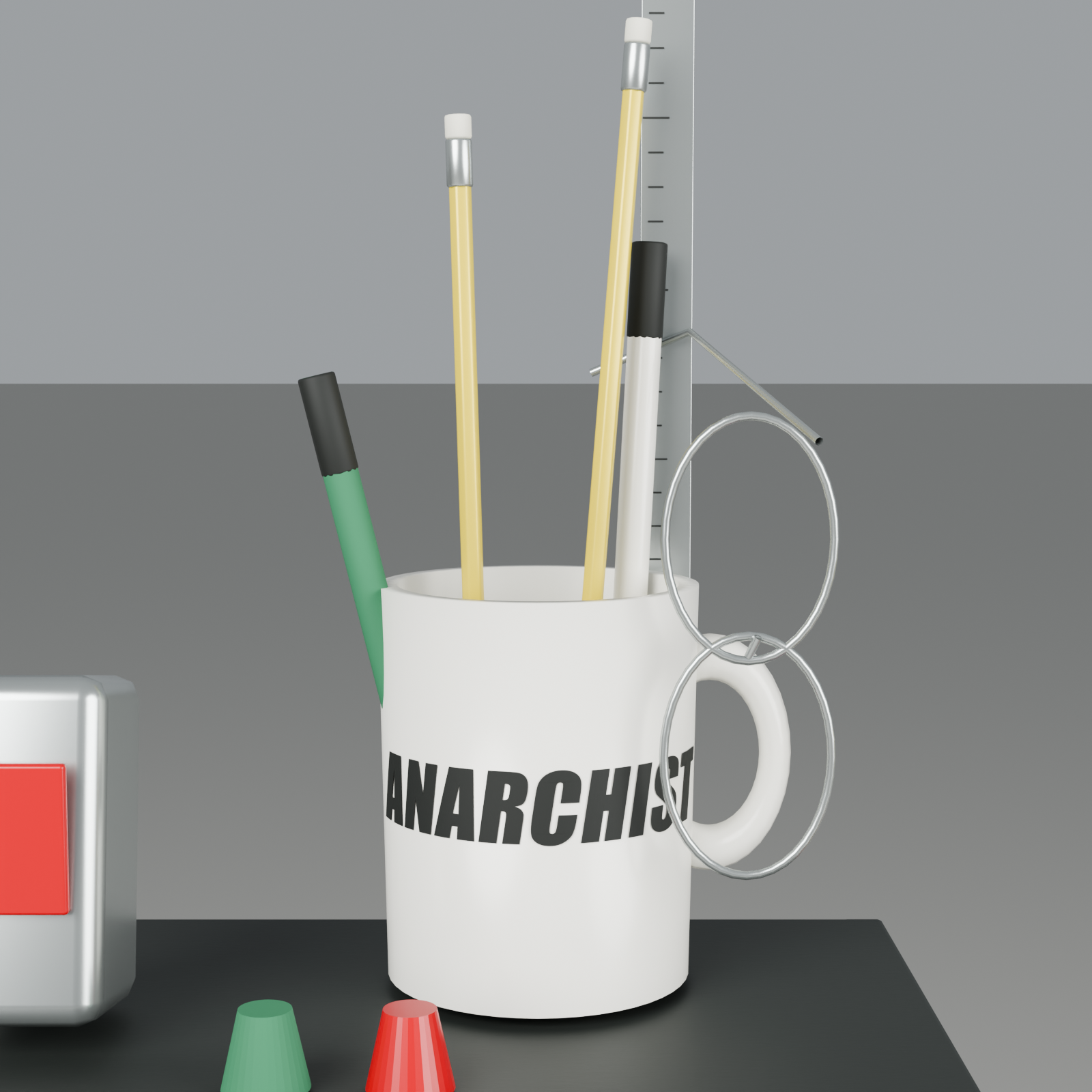
The experiment
227 Sterling is an experimental media art project by Toronto-based artist Chains (Steph Hoff), investigating the translation of lived human experience into an increasingly autonomous system of cultural production.
Using her live/work studio as both source material and experimental site, Chains is constructing a computational representation of her domestic environment, relationships, possessions, creative practice, and personal history. Through 3D scanning, generative AI, synthetic characters, and procedural workflows, the complexity of a particular human life is progressively reduced to a set of reproducible representations, behaviours, and instructions.
The system takes the form of a self-generating television sitcom. Its characters, settings, dialogue, consumer products, and recurring situations are derived from the artist's actual surroundings. The sitcom operates as a generative protocol: a familiar cultural structure through which the system can continually reinterpret, reproduce, and circulate fragments of its source.
Situated within the contradictions of late capitalism, the project examines the relationship between optimization and human experience. The artist is not positioned outside these conditions. Her participation in automation, consumption, and technological acceleration is both the subject and the means of production.
As the system develops, the artist's role may shift from directly constructing individual outputs toward designing, maintaining, and negotiating the conditions of their generation. The resulting broadcasts, failures, distortions, and unexpected behaviours form an evolving record of the experiment.
227 Sterling does not propose technological autonomy as progress, nor does it attempt to resolve the implications of its own development. It asks what becomes of the particularity of a human life when that life is made reproducible—and what new forms of meaning might emerge beyond the artist's control.
The project approaches an unknowable future with grief, humour, curiosity, and optimism.
The broadcast continues.
The location
A studio reconstructed room by room.
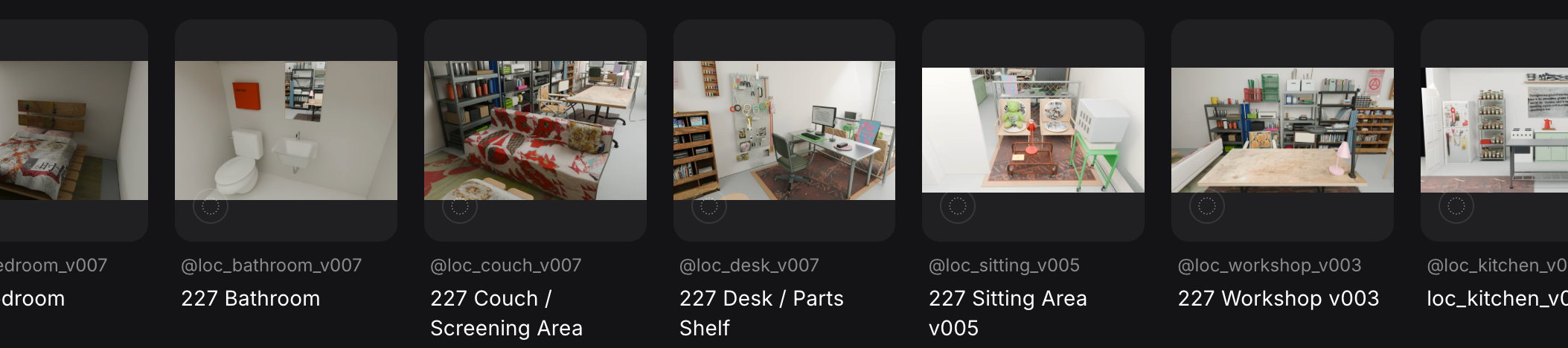
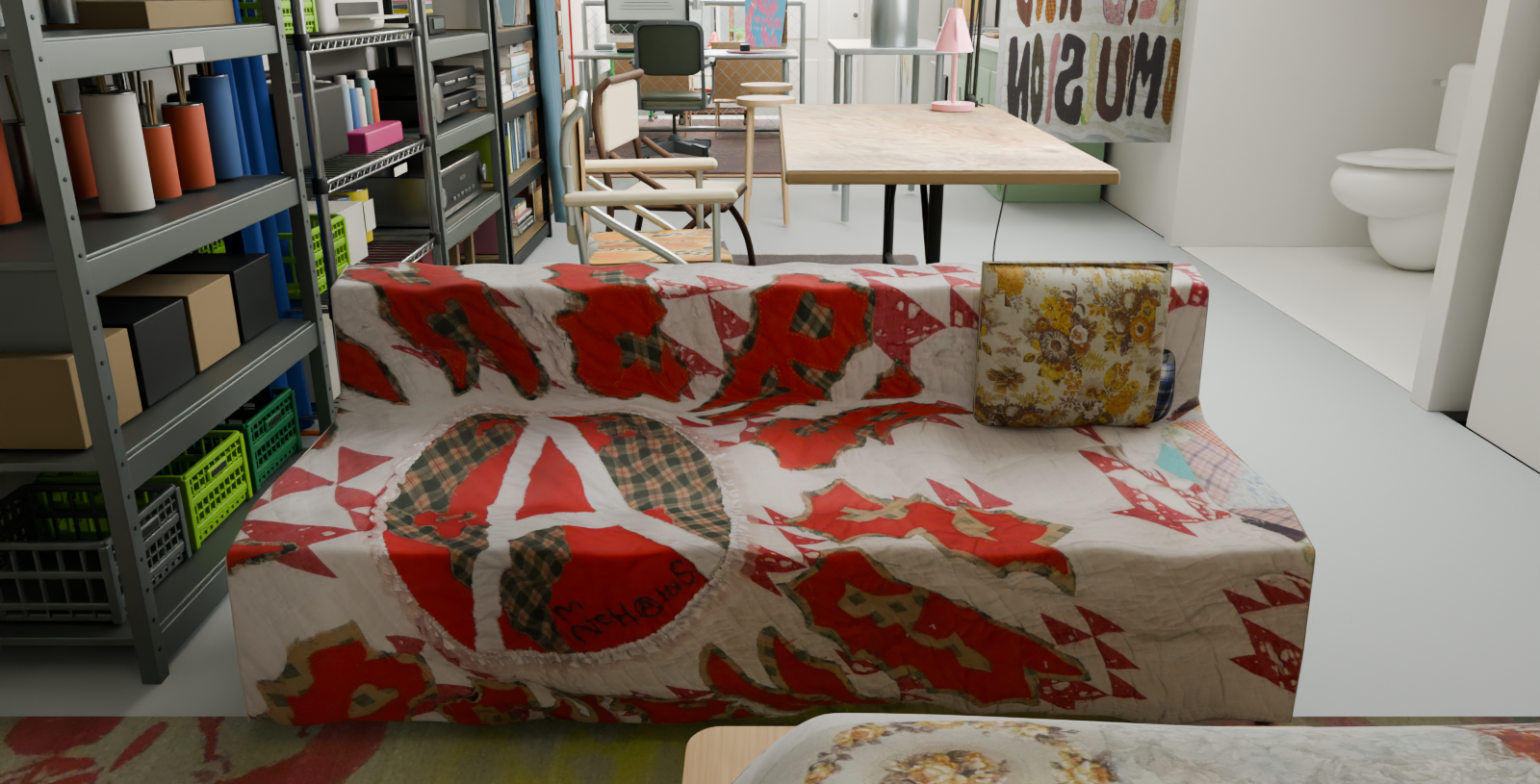
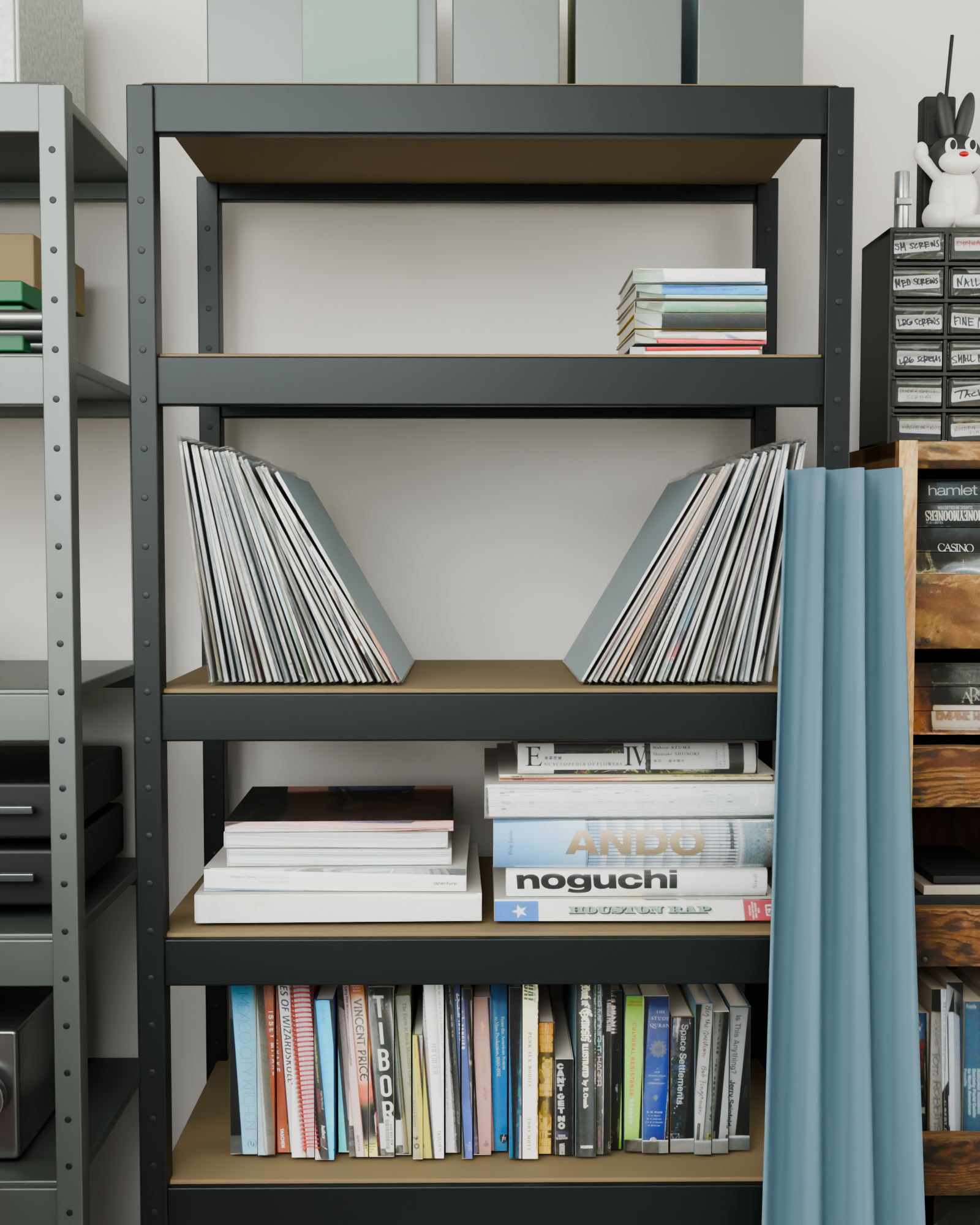
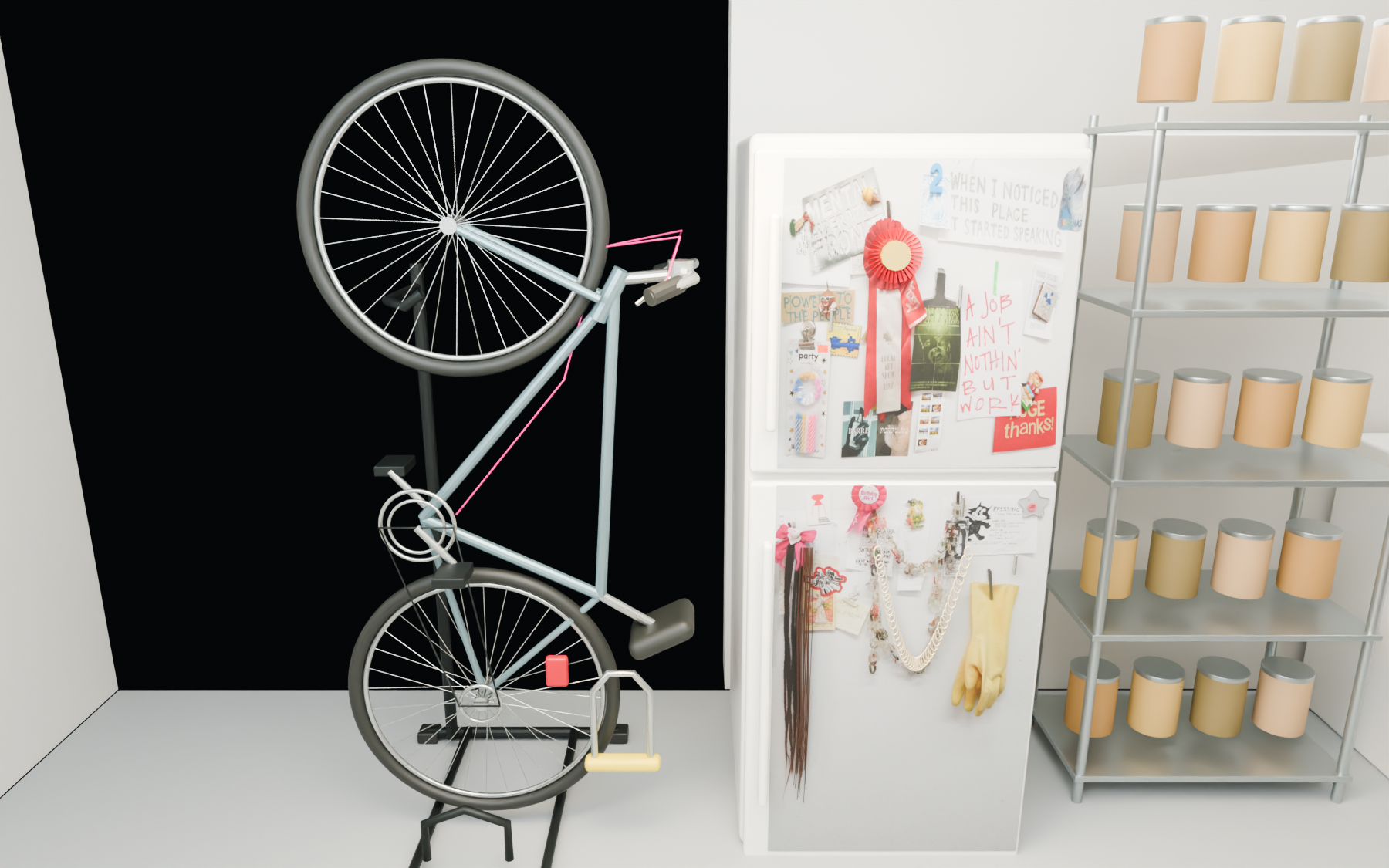
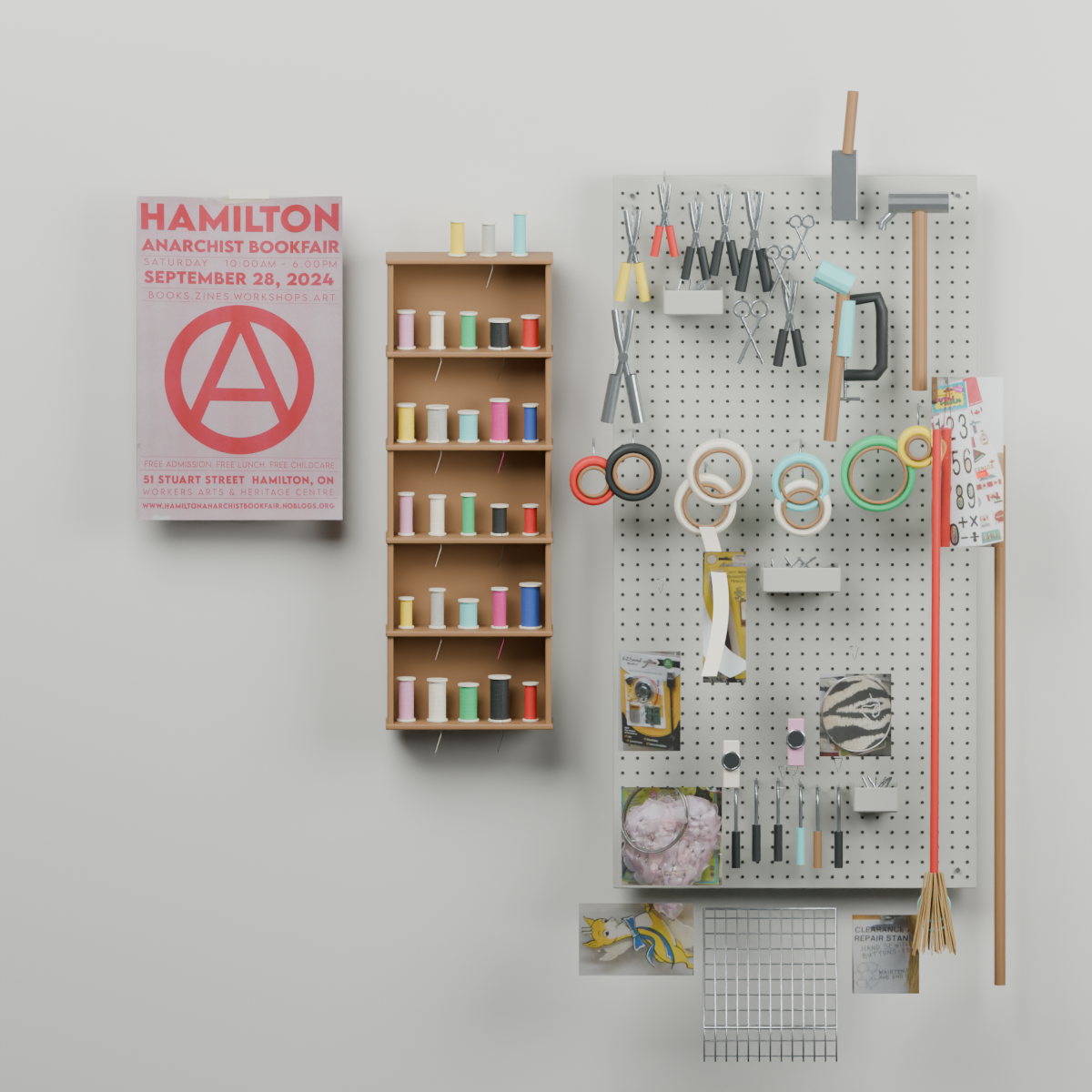
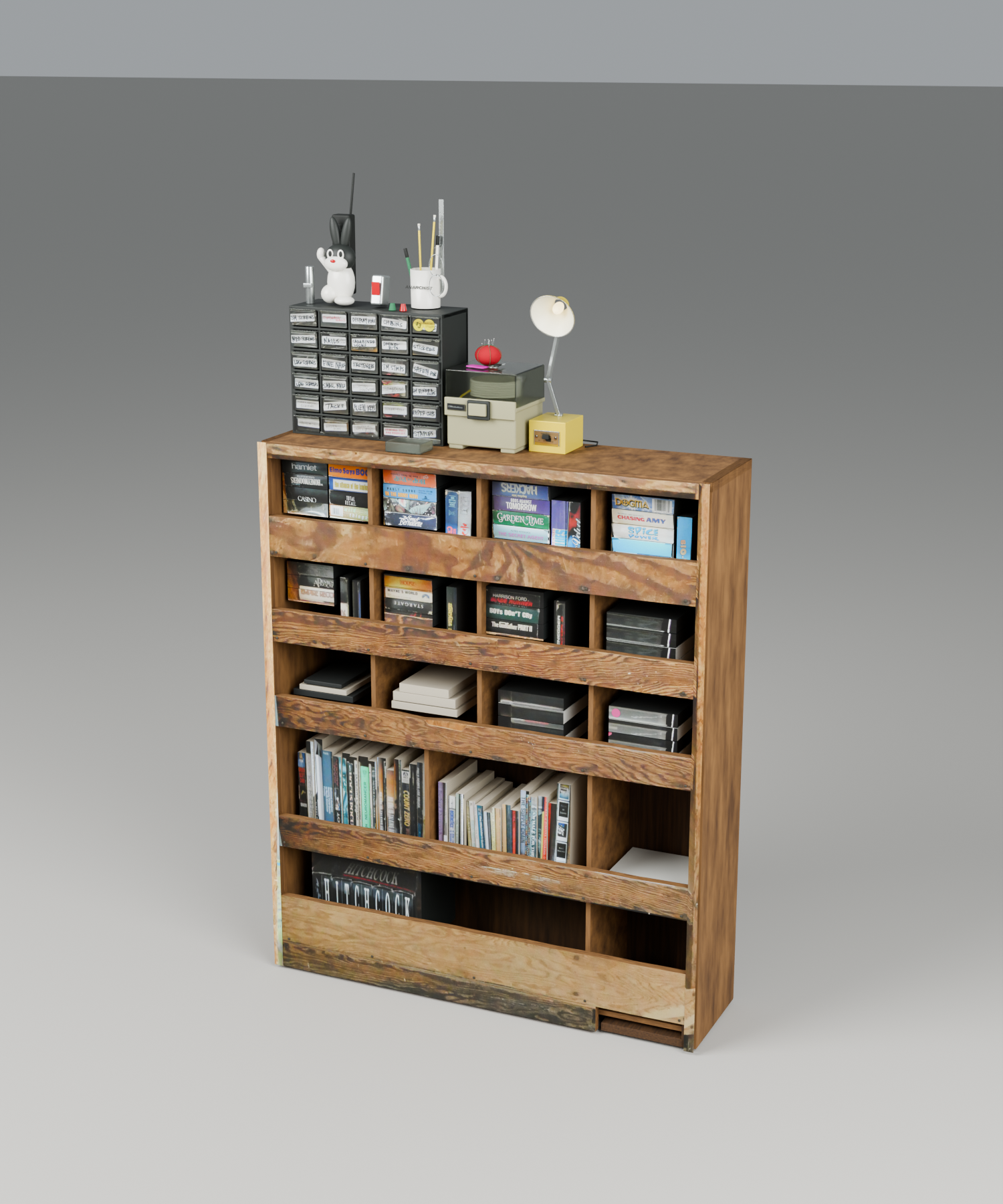
The Toronto live/work studio is the source of 227 Sterling. The building is awaiting demolition for condominium development. Inside, furniture, objects and artworks carry the history of Chains’s maintenance practice, including what she has made, salvaged and repaired.
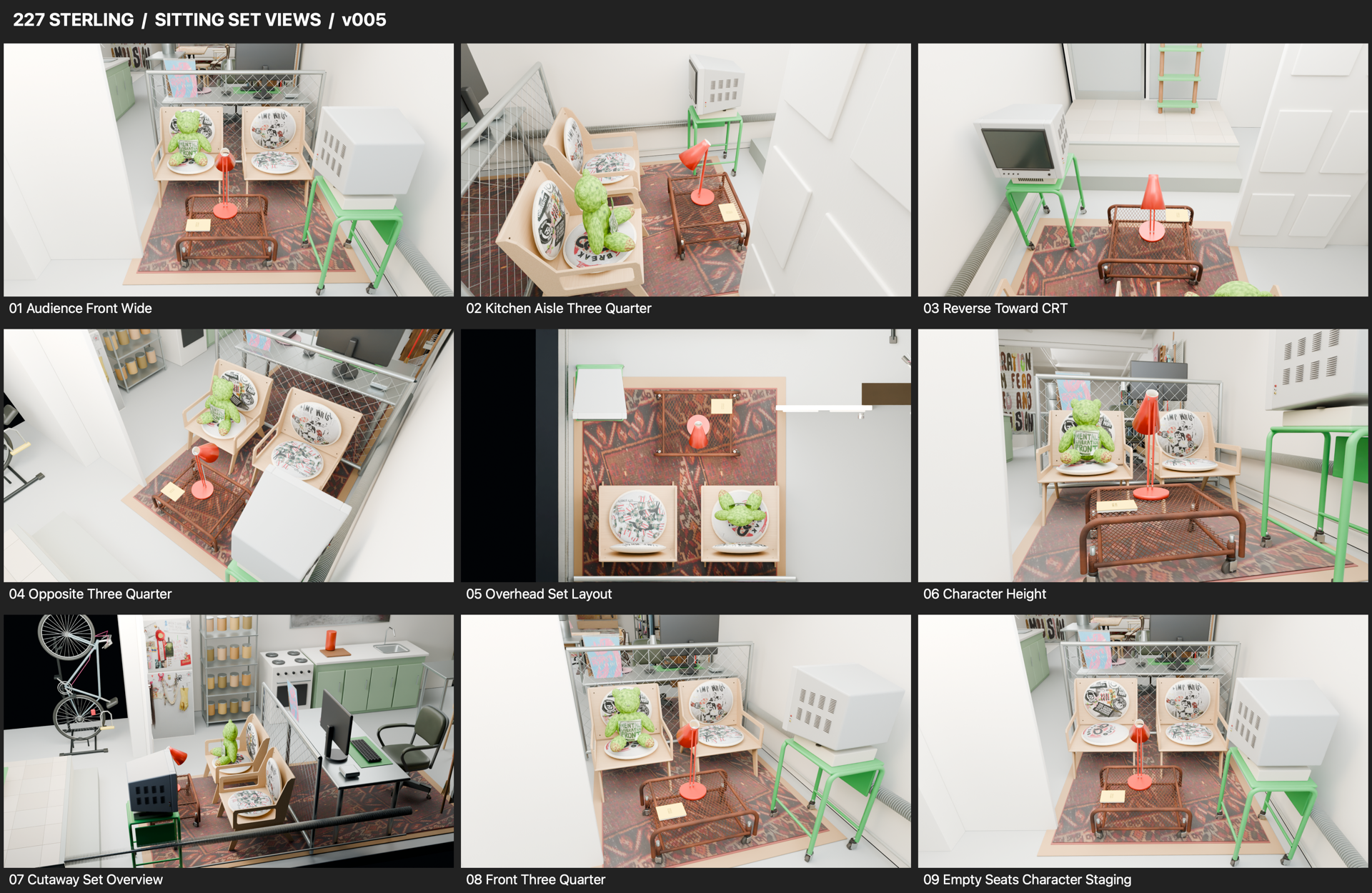
Photographs and LiDAR scans help turn the studio into a reusable set. As rooms and objects move through 3D modelling, details shift, disappear or are invented. The reconstruction holds a record of what is facing erasure and shows how that record is changed in the making.
The characters
Meet the household.
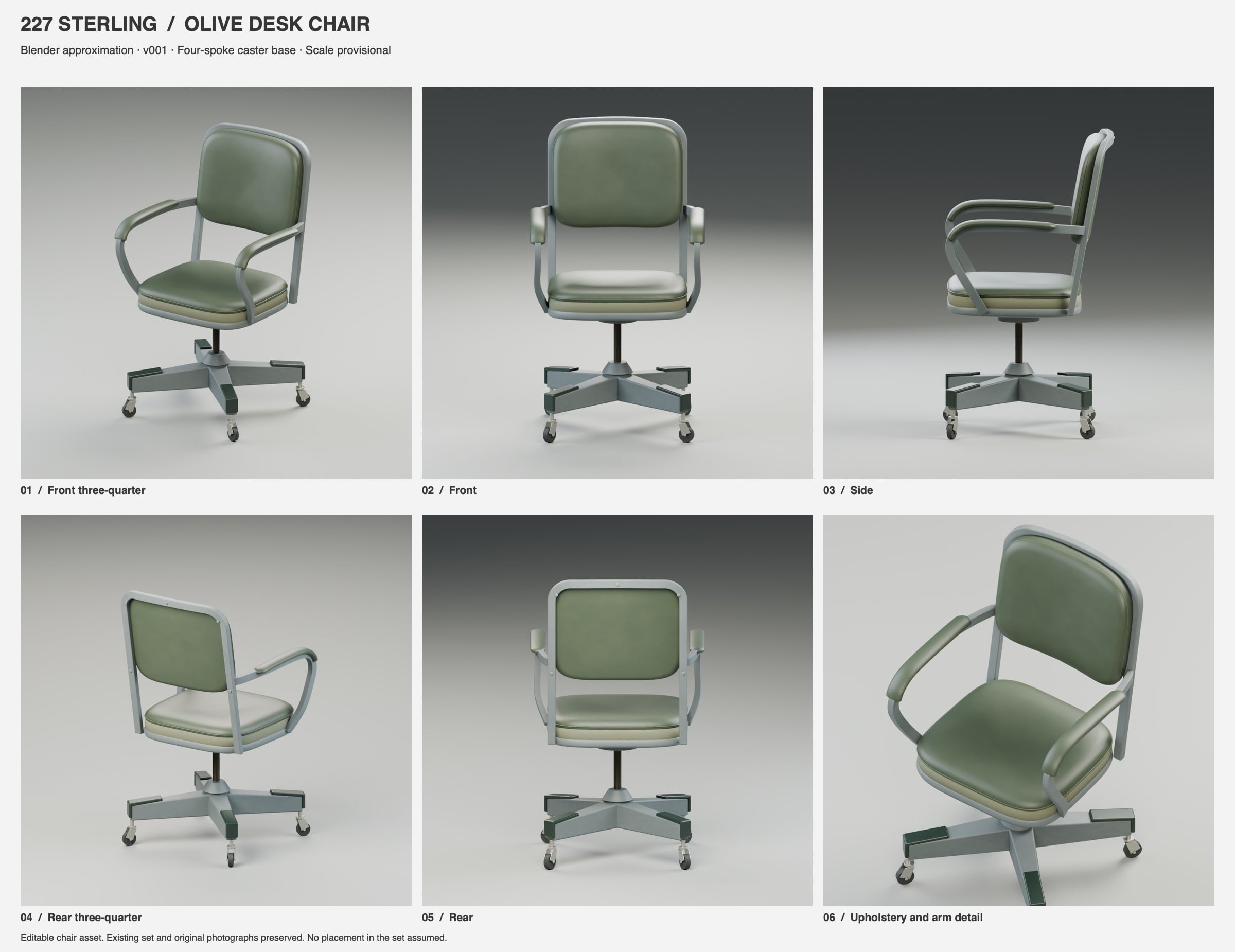
The household comes from the studio. Chains is a version of the artist. Fritz begins with the mannequin she uses to make and repair clothes. Stig comes from her Sphynx cat. Karen, an obsolete AI assistant, joins them as another voice in the room.
Reference images, voice and performance turn these sources into recurring characters. Their gestures, relationships and routines give the sitcom its repeatable form.
Wardrobe
The wardrobe brings Chains’s textile and repair practice into the fictional household. She styles characters in a mix of real garments, fictitious clothing, and designer pieces. These looks become references for fashion studies that the system can reproduce and vary.
The system and its protocol
The physical studio supplies the materials for a repeatable set, recurring characters and domestic situations. Chains scans and models the environment, develops character references, and directs and selects the resulting performances. The sitcom provides the rules through which the system can continually recombine these fragments.
About the artist
Chains is the artist identity of Steph Hoff, a Toronto-based transdisciplinary artist working across textiles, salvaged materials, digital systems and generative technology. Her practice follows what happens to objects, images and places through use, repair, consumption and reproduction. Her work received the 2026 Shirley Elford Emerging Artist Commission Prize.
Ongoing research
The next stage tests which production decisions the system can take on, where the artist will intervene, and how the work changes as those responsibilities shift. Failures, distortions and unexpected performances belong to the record of the experiment.